

Find the Best Home Battery for Your Load
Choose a battery around the job
it needs to do.
Find the best home battery for your project by comparing loads, power demand and installation location. Compare 7 ZJBESS LiFePO4 models by capacity, mounting format and inverter fit to build your shortlist.
For installers, distributors and project buyers.
Focus: ZJBESS LiFePO4 home batteries with external inverters.
Which battery is right
for your project?
Start with the loads. Then check the whole system.
The right home battery has enough usable energy for the required hours, enough discharge capability for the loads, a verified inverter configuration and an installation format that fits the site.
Compare batteries on the same basis. A larger kWh number, a familiar inverter brand or a CAN port cannot answer all four questions.
How much energy do you need?
Separate the energy needed over time from the power needed at one moment.
How long the loads can run
Average load × required hours gives the energy needed at the AC loads. Allow for the usable battery window and conversion losses.
What can run at the same time
Check simultaneous loads and motor starting demand against the inverter, battery current limits and electrical design.
Energy and power are different system ratings. Read the full sizing guide
A larger battery does not remove a power limit.
Illustration: a 5kW AC load at an assumed 48V and 92% inverter efficiency draws about 113A DC: 5,000 ÷ (48 × 0.92). Compare this with the selected equipment’s approved limits.
Try an energy estimate
Use your average essential load and required backup time.
1kW × 8h ÷ (0.90 × 0.92) = 9.66kWh
Use this as an energy starting point. Check operating power and installation separately.
Illustration, not a model recommendation or guaranteed runtime. Starts fully charged; excludes solar recharge, standby use, temperature effects, ageing and any extra reserve. Replace assumptions with verified project values.
Same chemistry. Different installation decisions.
Choose the enclosure around the site. Confirm voltage, energy and power from the exact model specification.

Wall-mounted
When floor space is limited and the wall can support the selected unit.
Before choosingCheck wall structure, mounting hardware and installer access.
Explore wall-mounted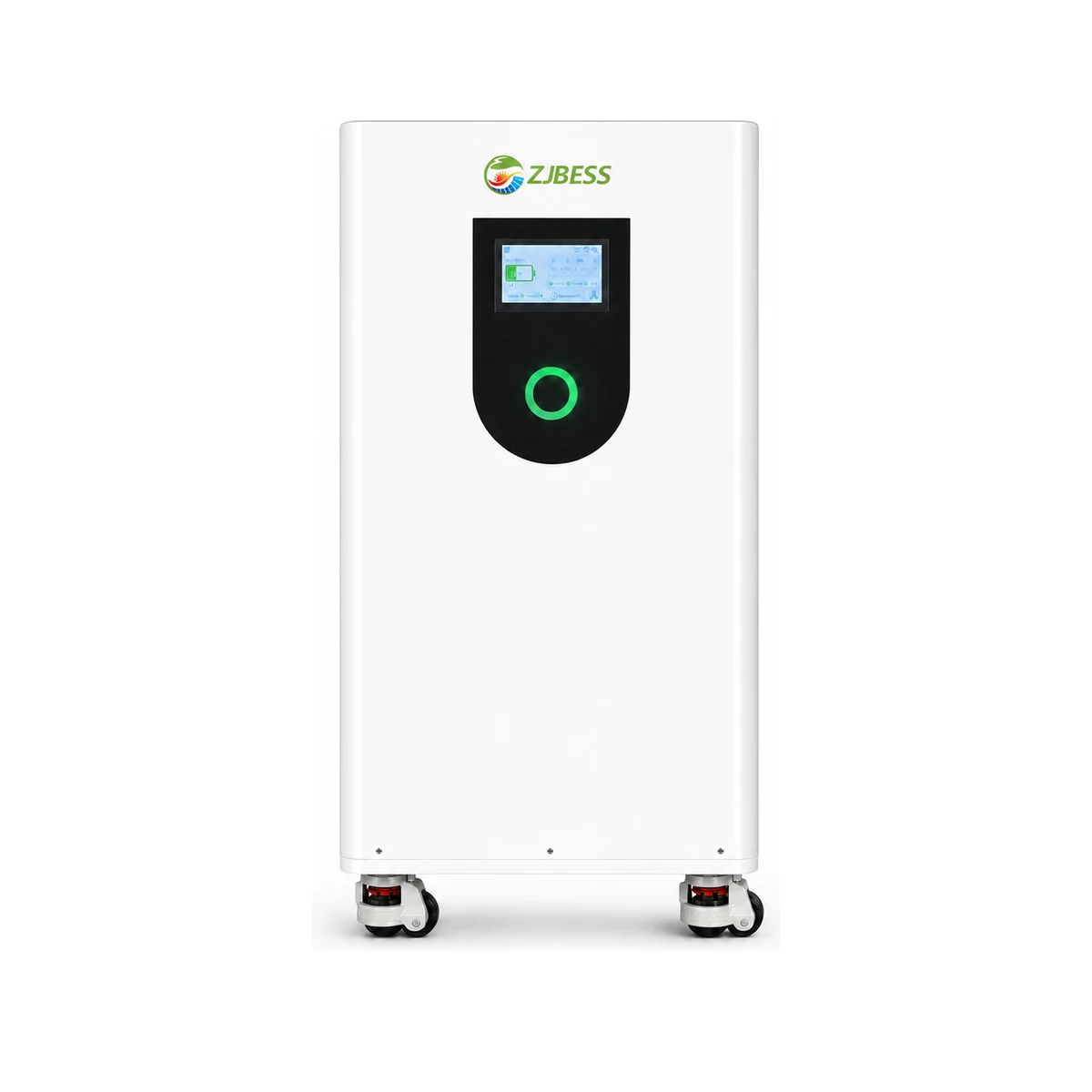
Floor-standing
When a cabinet layout suits your equipment room and handling route.
Before choosingCheck footprint, floor loading and service clearances.
Explore floor-standing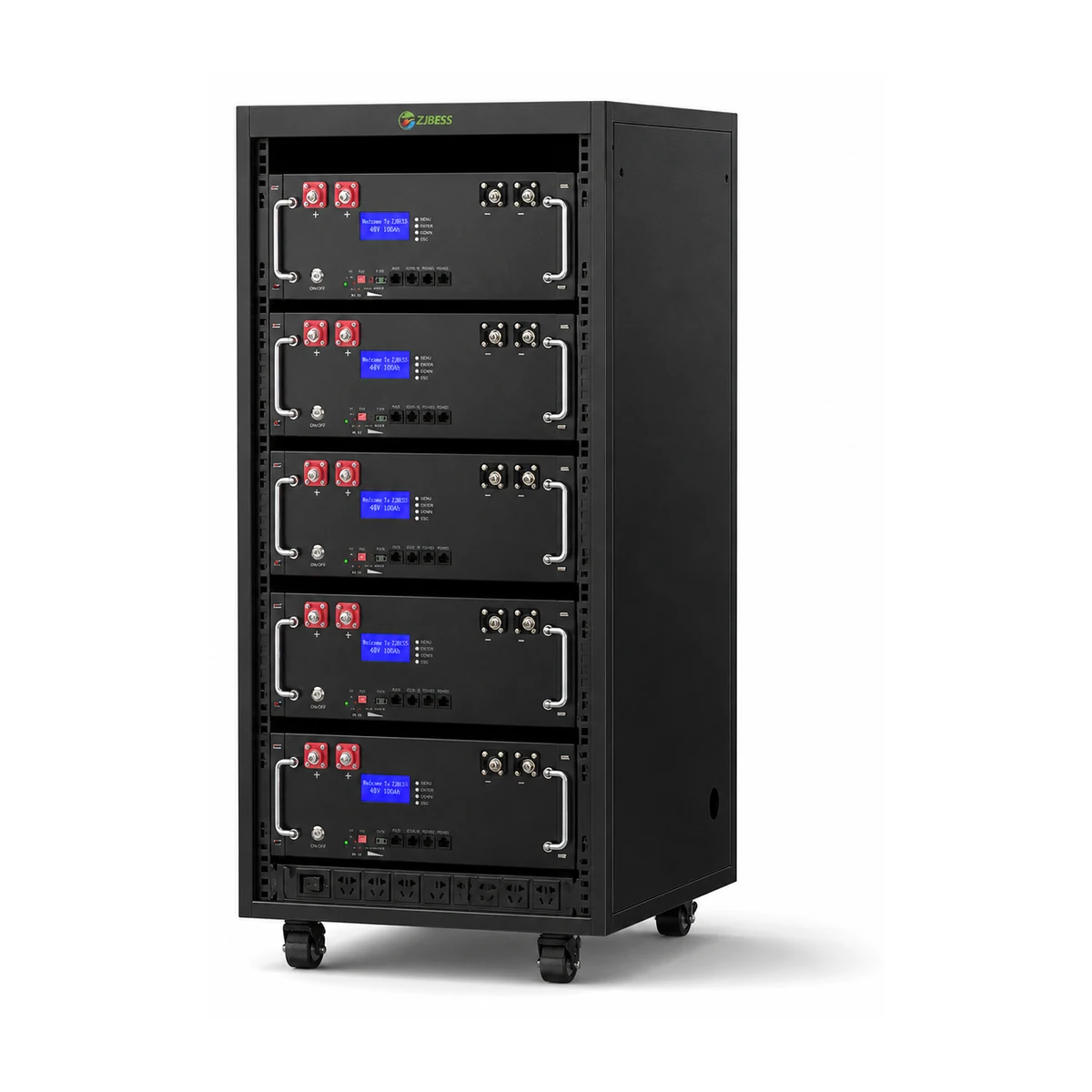
Rack-mounted
When the project uses a dedicated battery rack or equipment cabinet.
Before choosingCheck exact rack fit, module support and cable routing.
Explore rack-mounted
Stackable
When a modular arrangement fits the installation and approved system design.
Before choosingCheck module count, interconnection and expansion rules.
Explore stackableHome battery comparison: review your shortlist.
Published nominal ratings, shown on one consistent basis. Use the 48V home battery range comparison to check cabinet dimensions, mounting format and published parallel limits before choosing a model.
These models are listed by nominal energy, not ranked. All listed configurations are published as 51.2V LiFePO4 systems. Usable energy, discharge limits and inverter suitability require a model-specific check.
7 configurations shown
| Model / details | Format | Nominal energy | Voltage / capacity | Installation review |
|---|---|---|---|---|
| JJ5KW | Rack-mounted | 5.12 kWh | 51.2V / 100Ah | Confirm rack dimensions, support and access. |
| BG10KW | Wall-mounted | 10.24 kWh | 51.2V / 200Ah | Confirm wall structure, fixings and lifting access. |
| WS10KW | Low-profile | 10.24 kWh | 51.2V / 200Ah | Check installation orientation and front service access. |
| LS15KW | Floor-standing | 15.36 kWh | 51.2V / 300Ah | Allow floor space, cable access and service clearance. |
| DD5KW × 3 | Stackable | 15.36 kWh | 51.2V / 300Ah | Confirm the complete three-module configuration. |
| LS20KW | Floor-standing | 20.48 kWh | 51.2V / 400Ah | Review handling, floor loading and inverter limits. |
| LS40KW | Floor-standing | 40.00 kWh | 51.2V / 781Ah | Check both usable energy and recharge opportunity. |
DD5KW × 3 means three 5.12kWh modules in the published 15.36kWh configuration. LS40KW uses the published rounded 40kWh rating. Model names containing “KW” are identifiers, not AC output ratings. Images above illustrate formats and are not dimensional drawings.
Will it work with
your inverter?
A connector is a starting point.
A confirmed configuration is the decision.
CAN and RS485 describe interfaces. The battery, BMS, inverter, firmware and settings still need to work together in the intended system mode.
Open the compatibility guideRecord the current inverter model, firmware, battery configuration and the reason for the change before selecting a replacement.
- 01
Match the electrical limits
Battery voltage range, charge and discharge current, inverter input limits, cables and protection.
- 02
Confirm communication and settings
Exact protocol, cable pinout, BMS and inverter firmware, control mode and commissioned settings.
- 03
Check the intended functions
Charging, discharge, alarms, state of charge and the required backup or off-grid behaviour.
- 04
Keep a configuration record
Model and version, wiring arrangement, settings, test conditions, date and remaining limitations.
Compare what will actually be delivered.
Make the technical and commercial scope match before comparing the price.
Battery & system
Exact model, module quantity, nominal versus usable energy, external inverter and the agreed configuration.
Included hardware
Mounting parts or rack, cables, connectors, protection, communication leads and any required accessories.
Documents & acceptance
Revision-matched datasheet and manual, applicable reports, inspection scope and sample acceptance criteria.
Delivery & service
Destination and delivery scope, packaging, production and transit timing, written warranty, exclusions and service responsibility.
Questions to resolve
before you order.
Short answers to common selection decisions, with routes to the details.
Prepared by ZJBESS · Updated 22 October 2026.
This guide compares ZJBESS products and links enquiries to ZJBESS.
Should I choose a 10kWh, 15kWh or 20kWh battery?
Start with the energy your selected loads need during the required period, then account for the usable discharge window and conversion losses. Check power and starting loads separately. A larger energy figure alone does not prove that an inverter or battery can start your pump or run all your appliances.
Read the sizing guideDo two batteries with the same kWh perform the same?
No. Compare usable energy under the same conditions, continuous and peak discharge capability, operating temperature, installation constraints, inverter integration and written warranty terms. Nominal energy alone does not describe the whole system.
Can a 51.2V battery replace any 48V battery?
51.2V is a nominal voltage used by some 48V-class LiFePO4 systems. It is not a compatibility approval. Check the inverter’s battery voltage range, charging settings, current limits, communication method and the battery manufacturer’s requirements.
Review inverter compatibilityDoes stackable mean high voltage?
No. Enclosure format does not establish electrical voltage. The DD5KW × 3 configuration listed here is published as 51.2V and 15.36kWh. Use the exact system specification and connection diagram; do not infer series wiring from the stacked appearance.
See the three-module configurationCan I add another battery later?
Only within the manufacturer-approved configuration. Review model and BMS compatibility, module quantity, firmware, connection method, protection, settings and the condition of existing batteries. Confirm expansion requirements before buying the first unit.
Will a larger battery keep my home running during a power cut?
Outage operation depends on the complete system: inverter backup capability, transfer or isolation arrangement, protected circuits, battery power and available energy. Having solar panels and a battery does not by itself establish whole-home or uninterrupted backup.
Plan residential backupWhich documents should match my quotation?
Match the exact battery model and configuration to its datasheet, installation instructions, applicable test documents, proposed inverter combination and written warranty. Also confirm included accessories, destination, delivery scope and acceptance checks. A document for another model is not evidence for yours.
Explore model-specific quality reviewIs the lowest price per kWh the best purchase?
It is only one comparison input. Normalize the energy basis and include the inverter, protection, cables, rack or mounting parts, transport, installation and service responsibilities. Compare warranty coverage and exclusions using the actual written terms.
Compare quotation scopeTurn your requirements
into a useful shortlist.
Give ZJBESS the information needed to review the battery, inverter and installation together.
- Country, application and buyer role
- Average loads, simultaneous loads and backup hours
- Inverter model, firmware and existing system
- Space, temperature and preferred installation format
- Sample or order quantity and required delivery scope
