

Residential Energy Storage SolutionsHome Energy Storage
Store solar energy for
the hours that matter.Solar storage for your home’s daily needs.
Plan residential energy storage around your solar system, essential loads and daily energy needs. Match residential battery storage capacity to the required backup time.
Planning details
Plan residential energy storage around your solar system, essential loads and daily energy needs. Match residential battery storage capacity to the required backup time.
See How It WorksPlan a Home Solar Battery System
A useful home storage system begins with a clear priority.
Solar after dark
Make daytime generation useful later. Plan around the solar energy available and the hours the home uses electricity.
Essential-load backup
Start with the circuits that matter during an outage, then define the battery, inverter and backup arrangement.
Storage for existing solar
Bring the current inverter and system layout into the discussion to understand how a battery can be added.
Which Storage Route Fits Your Home?
A new installation and an existing solar system start with different equipment. Identify what you have before choosing a battery.
| Your starting point | A route to review | What needs confirming? |
|---|---|---|
| Planning solar and storage together | Coordinate the solar array, storage-capable inverter and battery as one system. A compatible hybrid inverter can connect solar and battery on the DC side. | Solar input limits, battery voltage and power, single- or three-phase supply, and the required backup circuits. |
| Already have a battery-ready inverter | Check whether the exact inverter model and firmware support the proposed battery. “Battery-ready” does not mean every battery is compatible. | Supported battery model, BMS communication, charge/discharge limits, configuration and backup function. |
| Already have a solar-only inverter | Review a separate battery inverter through AC coupling, or replacement with a suitable hybrid inverter. Compare the complete scope of both approaches. | Existing solar equipment, connection layout, metering and controls, outage operation, and any additional equipment. |
How Energy Moves Through the Home
Explore a simple solar, battery and home-load arrangement.
Daytime. Solar supplies home loads. Surplus generation can charge the battery.
Evening. Stored energy can support home loads after solar production falls.
Grid outage. A backup-capable system supplies selected essential circuits while isolated from the grid.
Illustrative energy flow, not a wiring diagram. Actual operation depends on the inverter, controls and system configuration. Backup also requires the correct switching and circuit arrangement.
Size a Home Battery Backup System
A clear backup load list makes the system easier to specify.

Two different questions.
One system to plan.
- Energy kWh
- How much stored energy is available to supply the selected loads.
- Power kW
- Which loads can run together within the battery and inverter limits.
Runtime depends on usable energy, demand and system losses. A capacity label alone does not give a backup time.
Use the home battery sizing guide to list essential loads, target backup hours and usable-energy assumptions before selecting a capacity.
Lighting & connectivity
Lights, router and the small devices the household relies on.
Refrigeration
Include both running demand and compressor starting requirements.
Other priority loads
List pumps, heating and cooling separately so their demands are accounted for.
These are planning examples. Final backup circuits must be defined for the selected equipment.
Will the Battery Be Ready for the Next Evening?
Backup duration is only half the plan. The energy used today also needs a realistic opportunity to recharge.
What will be available to charge it?
- Surplus solar, after daytime use
- Check the generation left after the home’s simultaneous loads. Panel peak power is not the same as daily charging energy.
- The actual charging limit
- The inverter or charger, battery current limit, BMS, temperature and settings can all restrict charging power.
- A reserve for an unexpected outage
- Energy held in reserve is not also available for routine evening use. Discuss the balance between daily use and backup readiness.
Check a low-solar season as well as a good summer day. A larger battery adds storage space; it does not create more solar generation.
How much time does recharging need?
For a simplified constant-power calculation:
Charging time = energy to replace ÷ charging power
| Energy to replace | Battery-side power | Ideal time |
|---|---|---|
| 7 kWh | 1 kW | 7 hours |
| 7 kWh | 2 kW | 3.5 hours |
Assumed constant battery-side power. This is arithmetic, not a ZJBESS charging specification. Charging losses, tapering, balancing and interruptions are excluded; real charging time can be longer.
A short surplus-solar window may not replace the energy used overnight. Review the load schedule, capacity and permitted charging sources together.
Build a home energy and backup briefFind the Battery Format That Fits
Compare the seven 48V home battery models by nominal energy and enclosure dimensions before reserving installation space.
Compare the enclosure and installation needs, then explore the model details.
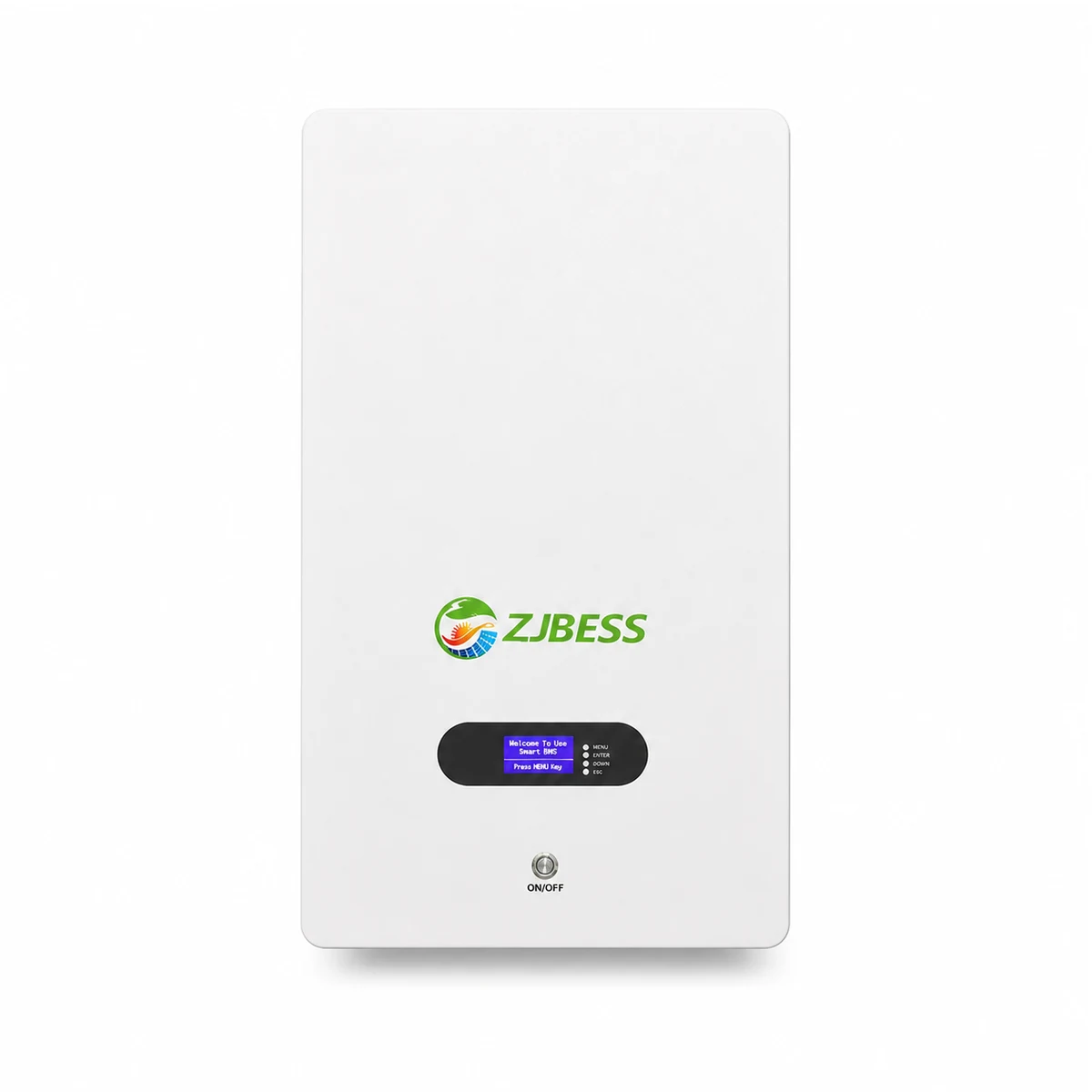
Wall-Mounted Batteries
A compact wall-mounted format that keeps floor space available for everyday use.
View wall-mounted batteries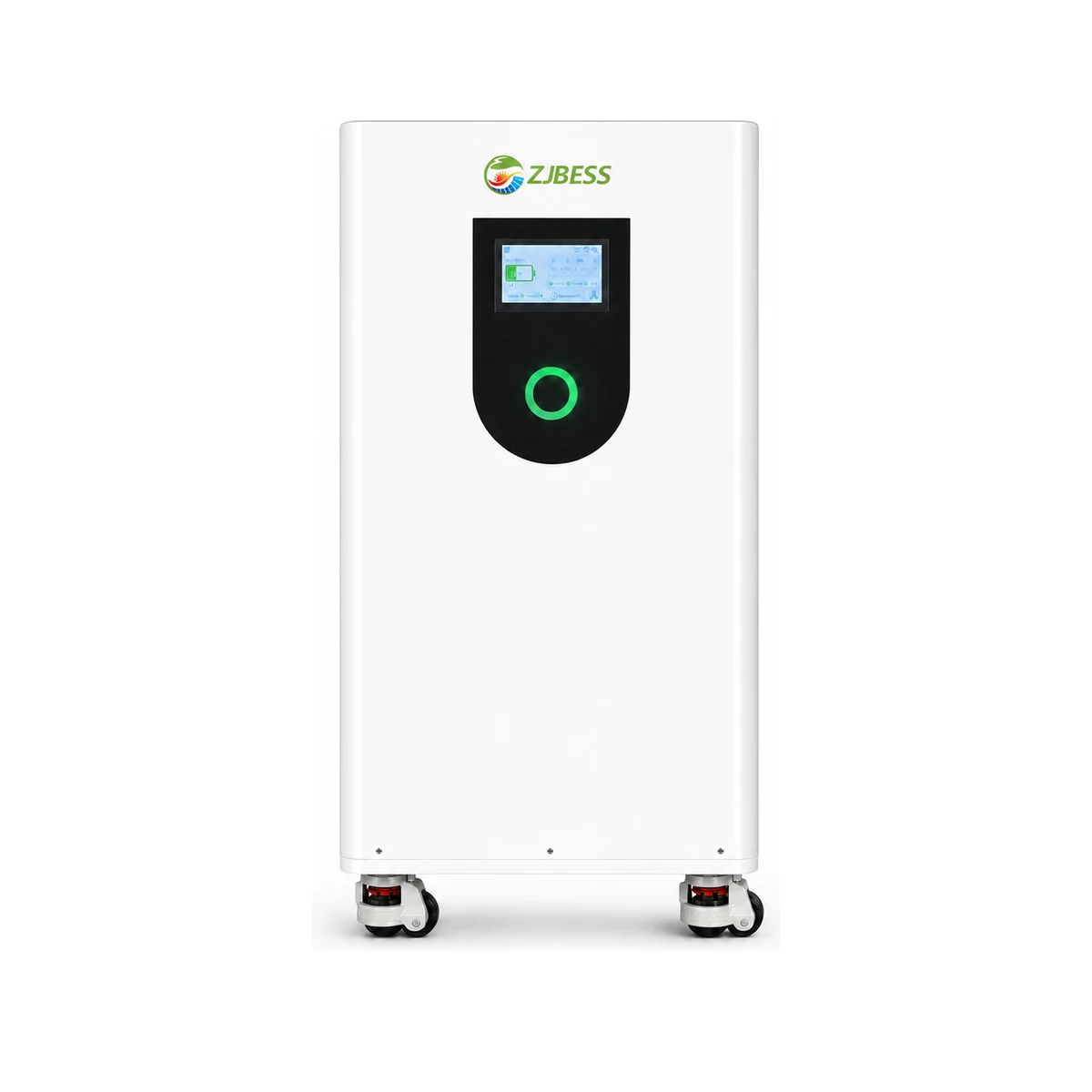
LS15KW Floor-Standing Battery
A 15kWh home battery with an integrated display and a freestanding enclosure.
Explore the LS15KW
Stackable Battery Systems
A vertically arranged system that brings multiple modules into one organised installation.
View stackable batteriesBattery selection starts with the home. Inverter matching completes the picture.
Browse All ProductsA Battery and Inverter That Work Together
Share the exact inverter model early so the configuration can be considered as a whole.
Check the LiFePO4 battery and inverter compatibility guide for the voltage range, current limits, BMS protocol and settings to confirm for the exact inverter and firmware.

Electrical fit
Battery voltage range, current limits and the inverter’s battery input requirements.
Voltage · Current · System architectureCommunication
The required interface, inverter firmware and model-specific battery configuration.
Inverter model · Firmware · ProtocolBackup arrangement
Inverter backup capability, switching, phase arrangement and the circuits to be supplied.
Backup function · Switching · Selected circuitsBased on a customer installation photo. Confirm compatibility for the exact battery and inverter combination.
Make Space for a Practical Installation
The location matters as much as the enclosure.
Space & mounting
Record the available footprint, mounting surface and clearance around the proposed location.
For a wall-mounted model, use the wall-mounted battery installation checklist to review wall construction, installed weight, fixings and service access with the installer.
Temperature & exposure
Describe the ambient range, direct sun, moisture and whether the location is sheltered.
Access & connection
Show the route to the installation space, service access and the position of existing equipment.
Installation limits, enclosure protection and any heating or cooling options depend on the selected model and site.
What Arrives, and What Happens on Site?
A battery quotation and a working home storage installation have different scopes. Agree the equipment, documents and responsibilities before ordering.
For one home, a trial installation or a distributor’s product range, use the same checks.
Review quality checks & model documents Sourcing for multiple installations?- Equipment & accessories
- Identify the exact battery configuration and what the quote includes: inverter, mounting parts, communication and power cables, protection equipment and any monitoring hardware. Mark excluded items.
- Model-specific documents
- Confirm the datasheet, installation manual, applicable test and transport files, and written warranty for the selected model. Check the destination’s project requirements separately.
- Installation & commissioning
- Name who handles site design, approvals, electrical work and commissioning. Agree how charging, inverter communication and the specified backup operation will be checked on site.
- Handover & support
- Keep model and serial numbers, agreed settings, a backup-circuit list and commissioning records. Confirm how to view system status, report a fault and contact the responsible supplier or installer.
From a Home Energy Brief to a Product Proposal
Bring the key details together for a focused configuration and quotation discussion.
- 01
Describe the home
Destination, solar setup and how electricity is used.
- 02
Set the priorities
Storage objective, essential loads and desired backup period.
- 03
Match the equipment
Inverter model, available space and preferred battery format.
- 04
Define the supply
Model, options, documents, quantity and delivery requirements.
Residential Storage Questions
Practical answers before you choose a battery or prepare a project brief.
How do I choose the right battery size?
Start with daily electricity use, available solar generation and the loads you want to support. The battery’s energy capacity and the system’s power limits both matter. Share the load list and backup target with your project enquiry.
Will a home battery power the whole house during an outage?
That depends on the system design. Backup may cover selected circuits or a wider set of loads. The inverter, switching arrangement and connected loads determine the scope.
Can I add a battery to an existing solar system?
A retrofit may be possible. Share the current inverter model and system layout so the connection approach and any additional equipment can be identified.
Which inverters work with ZJBESS batteries?
Matching is specific to the battery, inverter model, communication requirements and final system architecture. Send the exact inverter details with your enquiry.
What if the installation is in a hot or cold climate?
Provide the expected ambient range and whether the battery will be indoors or in a sheltered location. The selected model’s installation limits and available thermal options can then be considered.
What should I send to request a quotation?
Include the destination, application, preferred battery format, inverter model, load requirements and expected quantity. Existing system photographs or a layout are also useful.
Will solar keep charging the battery during a grid outage?
Only if the complete system is designed for that operation. Grid-connected solar equipment may shut down when the grid fails. Confirm the inverter, isolation arrangement, controls and available solar charging in outage mode. The energy-flow illustration above shows one concept, not every possible operating mode.
Can I charge a home battery from the grid without solar?
That depends on the selected inverter or charger, battery and approved system settings. Confirm whether grid charging is supported and permitted for the installation and electricity plan. A time-based charging schedule also needs suitable controls; it is not a feature that can be inferred from the battery enclosure.
Will a home battery reduce my electricity bill?
It may, but compare the full installed cost with your actual use and tariff. Review surplus solar, import and export prices, charging losses and the reserve held for backup. Capacity alone does not establish savings or a payback period.
Can I add more batteries after the first installation?
Confirm the selected system’s expansion rules before buying. Check permitted module combinations, battery age or model restrictions, BMS coordination, firmware, inverter limits and physical space. A modular format does not mean future additions can be connected without a configuration review.
What maintenance and monitoring should I plan for?
Follow the selected model’s maintenance and storage instructions. Agree how the owner will check system status, charge level and alerts, and how the installer will handle inspection or faults. Keep access and required clearances available. App access, remote monitoring and service intervals must be confirmed for the actual equipment.
What should be clear in the warranty and after-sales plan?
Request the written terms for the model and destination. Check the warranty period, operating conditions, any capacity or throughput conditions, exclusions and claim evidence. Agree responsibility for diagnosis, labour, transport and repair or replacement; do not assume these are all covered by the same party.
How do I plan solar battery storage for home?
List essential loads and backup hours, then check daily solar generation, usable battery energy and inverter limits. Confirm starting power and the next recharge window before selecting a model.
Whole Home Battery Backup or Essential Loads?
| Backup target | Loads | Capacity planning | Inverter power |
|---|---|---|---|
| Essential loads | Lighting, refrigeration, connectivity and other priority circuits. | Begin with measured kWh through the expected outage. Review BG10KW and LS15KW as starting candidates. | Check continuous and start-up demand of the selected circuits. |
| Whole-home backup | More circuits, subject to the transfer arrangement and any load management. | Compare LS20KW and LS40KW after estimating the total load and usable energy. | Check simultaneous demand, motor starts, transfer limits and any loads that must be shed. |
If the utility supply is interrupted every day, a battery backup for home use must be ready for the next outage. Record when the supply goes out and comes back, then check whether solar or grid charging can replace the energy used in time. For an existing inverter battery or a new lithium battery for solar, confirm both the allowable charging current and the practical charging window.
More Questions About Home Battery Backup
Can a battery replace a generator?
A battery can support the planned loads for a defined window. If long outages exceed the reserve and solar cannot recover it, an approved generator arrangement may still be useful.
How many kWh do I need for whole-home backup?
Measure the circuits you expect to run, apply the target outage duration, then allow for losses and reserve. See the home battery sizing guide.
Can I use battery backup without solar?
Yes, with equipment configured for grid charging and backup output. Check how much time the grid needs to restore the reserve before the next outage.
Plan Your Home Storage
Tell us about your solar setup and power needs. Let’s find the right battery configuration.