

Hotel Battery Storage Solutions
Power planning for a better stay.
From check-in to the next morning.Plan storage around your guest services.
Hotel battery storage can support guest rooms, Wi-Fi, pumps and cold rooms during outages, and reduce generator runtime when sized around essential loads.
Planning details
Hotel battery storage can support guest rooms, Wi-Fi, pumps and cold rooms during outages, and reduce generator runtime when sized around essential loads.
Discuss Your PropertyStart with the Services
Your Guests Rely On
Guesthouse battery storage and solar battery storage for hotels start with the services you need to support. List their equipment, operating hours and backup priorities.
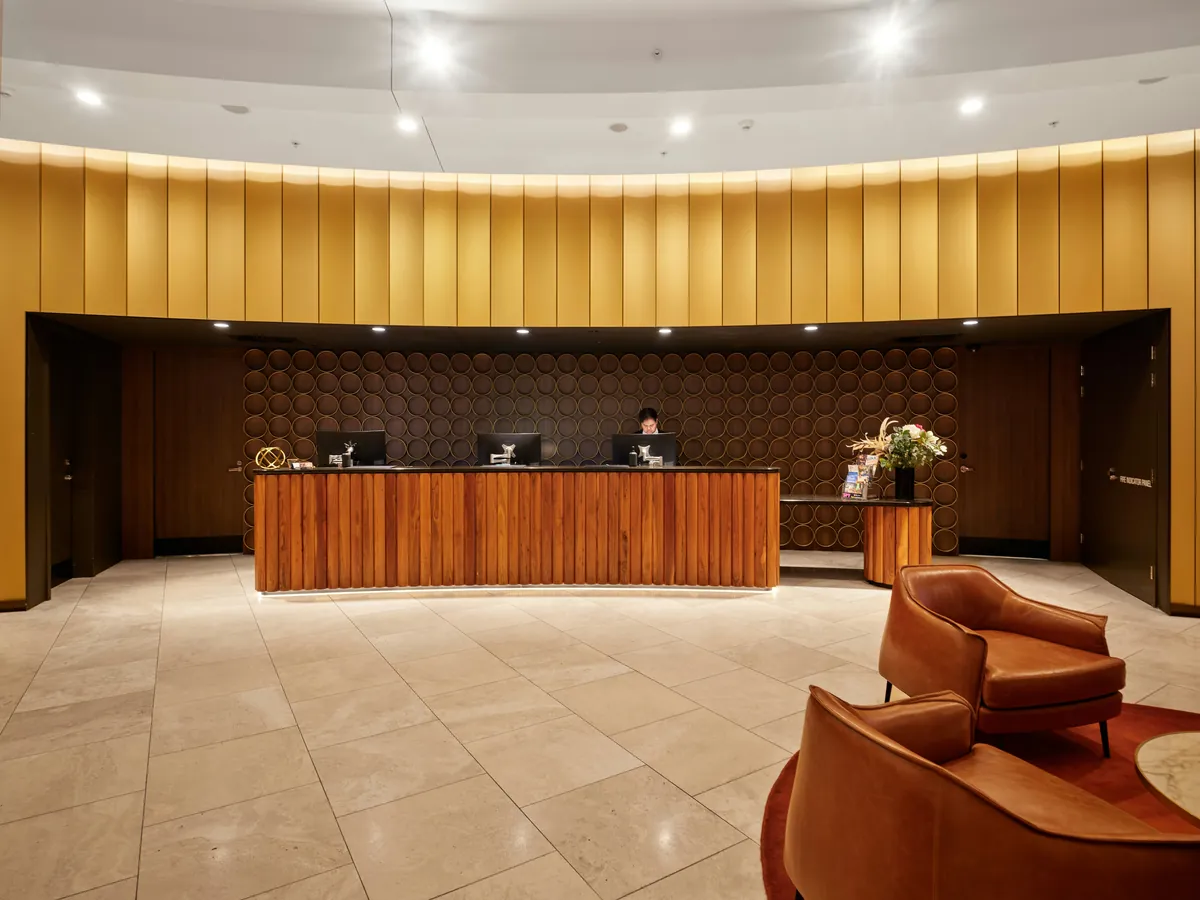
Reception, Wi-Fi
& Everyday Lighting
A welcome desk that works. A connected guest. A well-lit shared space.
Identify the reception computers, local network equipment and selected lighting circuits you want available when grid supply is interrupted.
- Select the circuits
- Mark the distribution circuits that serve these functions, including equipment outside the reception area.
- Check the interruption
- Confirm what can tolerate a transfer delay and whether sensitive equipment needs a dedicated UPS.
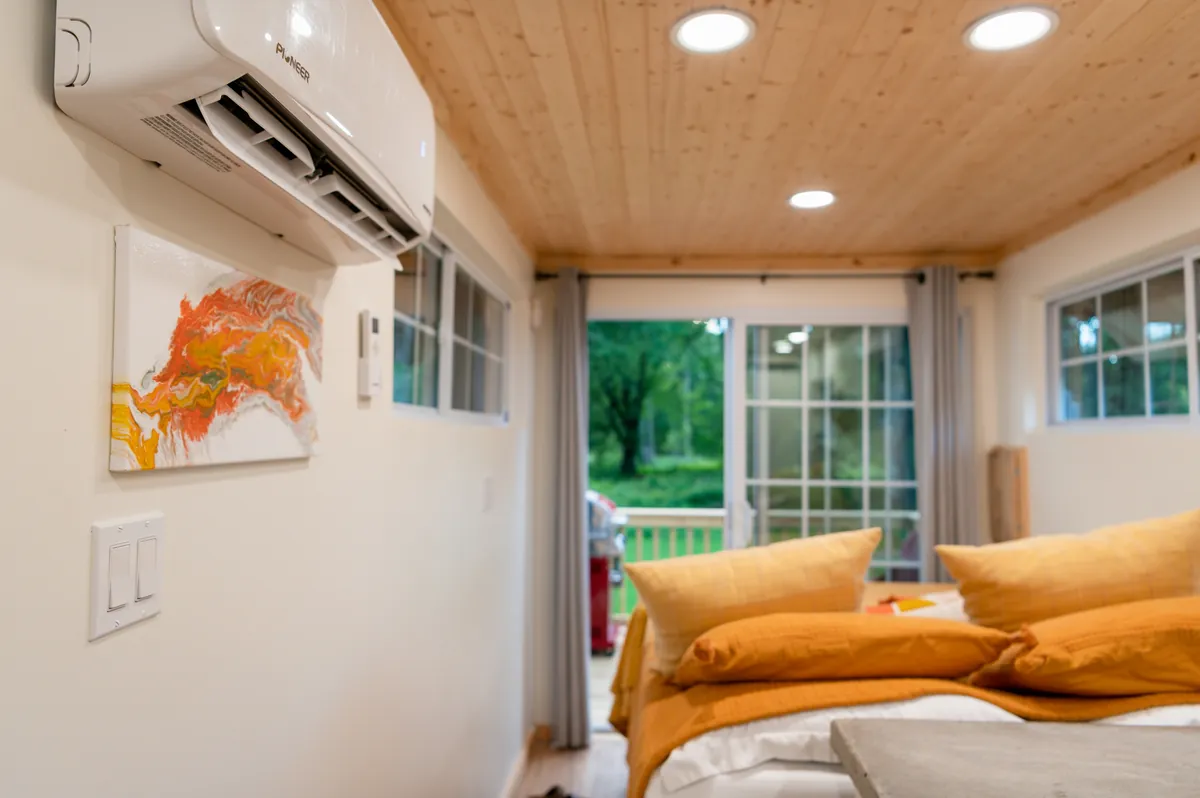
Plan for Occupied Rooms,
Especially After Dark
Room count tells only part of the story. Cooling, heating and hot-water demand depend on how the property operates.
Review the busiest expected night: occupied rooms, air-conditioning settings, weather and other equipment running at the same time. Decide whether the project should support selected rooms, common areas or a wider set of loads.
- Cooling & heating
- Equipment ratings, starting demand, electrical phase and simultaneous operation.
- Hot water
- Identify electric heaters or heat pumps, their operating windows and any stored hot-water capacity.
Include the Work Behind Every Stay
Breakfast preparation, refrigeration and room turnover can overlap with guest demand. Give these loads their own place in the plan.

Dining & Refrigeration
Separate refrigerators and freezers from cooking, dishwashing and hot-water equipment. Kitchen preparation may begin before useful solar generation is available.
Review together: compressor starts, meal-service hours and the food-storage circuits selected for backup.
Include Your Kitchen Loads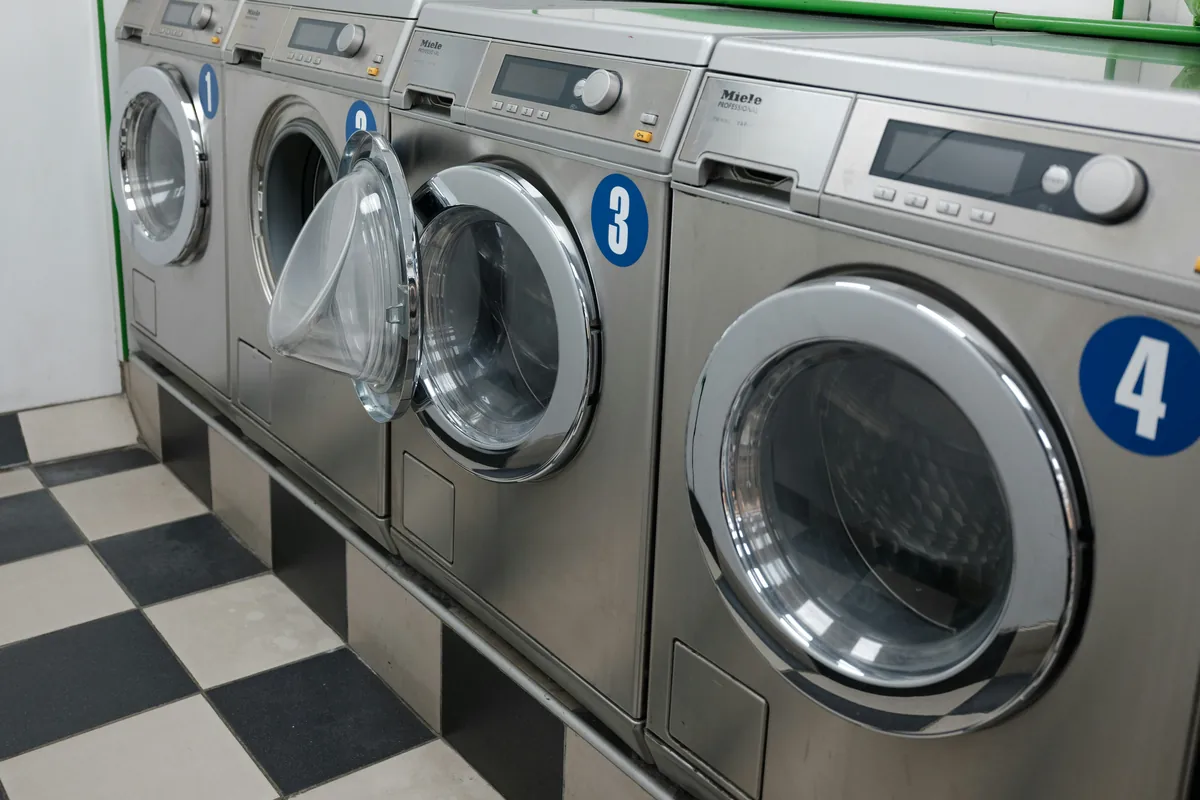
Laundry & Room Turnover
Washers, dryers and ironing equipment can add substantial demand. Where the operating schedule allows, assess which jobs could move into the solar charging window.
Review together: machine ratings, cycle times, turnaround deadlines and loads running alongside them.
Plan Flexible Operating LoadsOne Property.
A Changing Day of Demand.
Use your actual operating schedule to connect available power, usable battery energy and the next opportunity to recharge.
Morning
Before Solar Builds
Record breakfast preparation, hot water and occupied-room loads that begin before solar can cover demand.
Room Turnover
Add laundry, cleaning equipment and daytime services. Mark jobs that can move and those with fixed deadlines.
Restore the Reserve
Review the available charging source and window while daytime loads continue to run.
Bring: morning service times, laundry cycles and solar or other charging-source details.
Check-in & dinner
Guest Arrivals
Check reception, room cooling, lifts where applicable, and hot-water use as more guests arrive.
Overlapping Demand
Compare dinner service with guest-room and common-area loads. Include motor and compressor starting demand.
Keep an Overnight Plan
Decide how much reserve the selected overnight circuits need before drawing on the battery for evening use.
Bring: a high-occupancy evening schedule and the equipment likely to operate together.
Overnight
Identify Continuing Loads
List room cooling, refrigeration, network equipment and selected lighting that remain in use after guests settle.
Define the Support Period
Set the required hours for selected circuits and the interruptions each service can tolerate.
Review the Next Source
Check the morning recharge plan and any supported generator or grid input for an extended interruption.
Bring: overnight demand, outage history and any existing generator or UPS information.
Check busy periods and quieter seasons separately. Room count alone cannot size a battery.
Off-grid & Weak-grid PlanningGive Hotel Battery Storage a Clear Job
Decide how everyday energy use and backup priorities should work together.
For a guesthouse, compare the 20kWh LS20KW and 40kWh LS40KW; for larger properties, review the 261kWh cabinet.
Use Daytime Solar Later
Compare surplus solar with evening and overnight demand. Review charging losses and the energy you want to keep in reserve.
Reserve Power for Key Services
Define the circuits, required hours and transfer arrangement for an interruption. Agree the backup scope before choosing equipment.
| Operating function | Equipment to identify | Decision to make |
|---|---|---|
| Reception & connectivity | Computers, router, switches and selected lighting | Required support period and acceptable transfer delay |
| Guest comfort | Air conditioning, heating and water-heating equipment | Selected rooms or areas, simultaneous demand and operating hours |
| Food storage & service | Refrigerators, freezers, cooking and dishwashing equipment | Storage priorities, compressor starts and meal-service overlap |
| Property services | Laundry, water pumps, lifts and other shared equipment | Which loads are included, scheduled differently or paused |
Emergency lighting, fire systems and other statutory supplies require their own qualified design review.
Make Space for the System
Behind the Stay
Review equipment location alongside guest areas and day-to-day access. A useful first brief includes site photos and the electrical layout.

- Property & operating pattern
- Room count, typical and peak occupancy, service hours, seasonal demand and the main reason for adding storage.
- Loads & electrical supply
- Equipment nameplates, voltage and phase, interval consumption data where available, and the circuits proposed for support.
- Solar, grid & backup sources
- Existing inverter and generator details, grid availability, outage history and the required backup period.
- Location & service access
- Proposed equipment area, guest-room proximity, model-specific noise data, ventilation, weather exposure, cable routes and maintenance access.
Hotel Energy Storage Solutions: Questions
Practical answers for the first system discussion.
How do I size a battery system for a hotel or guesthouse?
Start with the circuits you want to support and when they operate. Review simultaneous power in kW, starting demand, energy use in kWh, the required support period and available charging windows. Include peak occupancy and seasonal conditions. Room count and monthly bills provide context but do not show the full operating pattern.
Can battery storage run guest-room air conditioning?
It can be assessed for selected air-conditioning loads when the battery and inverter are matched to the equipment. Share the unit ratings, starting characteristics, voltage and phase, expected simultaneous use and required operating hours. The number of rooms supported depends on the final system and the actual cooling demand.
Will the whole property keep running during a power cut?
Backup covers the circuits included in the electrical design. Supporting reception, network equipment and selected refrigeration is a different scope from supplying all rooms, kitchens, laundry and lifts together. Agree the priorities, power demand, reserve period and transfer arrangement before selecting the configuration.
Can storage work with our existing solar system or generator?
Existing equipment can be reviewed for integration. Provide inverter and generator models, ratings and a connection diagram. Battery communication, charging limits, source controls, protection and transfer arrangements need to be confirmed for the selected system.
Can battery storage reduce hotel electricity costs?
Storage may help use more solar energy on site or move grid consumption between tariff periods where the local tariff and system allow. A useful assessment needs interval load data, solar production, import and export rates, demand charges where applicable, and the intended backup reserve. Savings and payback depend on these inputs and the final installed cost.
Where should the battery and inverter be installed?
Choose a location that meets the equipment instructions and local installation requirements. Review temperature, ventilation, weather exposure, clearances and maintenance access, together with guest-room proximity and cable routes. Check the selected equipment’s acoustic information instead of assuming silent operation.
Tell Us How Your Property Runs
Share your operating needs with ZJBESS to start a project-specific storage discussion.